Mastering the Installation Of ADA Detectable Warning Panels – Cast In Place & Surface Applied
- Written by: admin
- Category: Uncategorized
- Published: June 2026
Installing ADA detectable warning panels can seem daunting at first. But with the right guidance, it becomes an easy task. These panels help ensure safety for visually impaired individuals. Let’s dive into the installation of ADA detectable warning panels – cast in place & surface applied methods.
Why Are Detectable Warning Panels Important?
Detectable warning panels serve a crucial purpose. They alert pedestrians with vision impairments of potential hazards. Imagine walking down a path and suddenly facing a drop-off. These panels help prevent accidents, making public spaces safer for everyone.
Types of Installation Methods
There are two main ways to install these panels: cast in place and surface applied. Each has its benefits and is suitable for different scenarios.
Cast In Place Installation
This method involves embedding the panels directly into the concrete. It creates a strong bond, ensuring durability. Here’s how to approach it:
- Prepare the site by clearing debris and leveling the ground.
- Pour the concrete base and place the panels while the concrete is still wet.
- Ensure the panels are aligned with the guidelines set by ADA standards.
- Allow the concrete to cure for the recommended time.
The tactile feel of the panels is immediate after installation. I remember when I helped a friend with this method. We were amazed at how sturdy everything felt once the concrete dried.
Surface Applied Installation
This technique is often quicker and doesn’t require extensive site preparation. Here’s a quick rundown:
- Clean the surface where the panels will be placed.
- Apply adhesive to the back of the panels.
- Press the panels firmly onto the surface, ensuring they adhere well.
- Allow adequate time for the adhesive to set before allowing foot traffic.
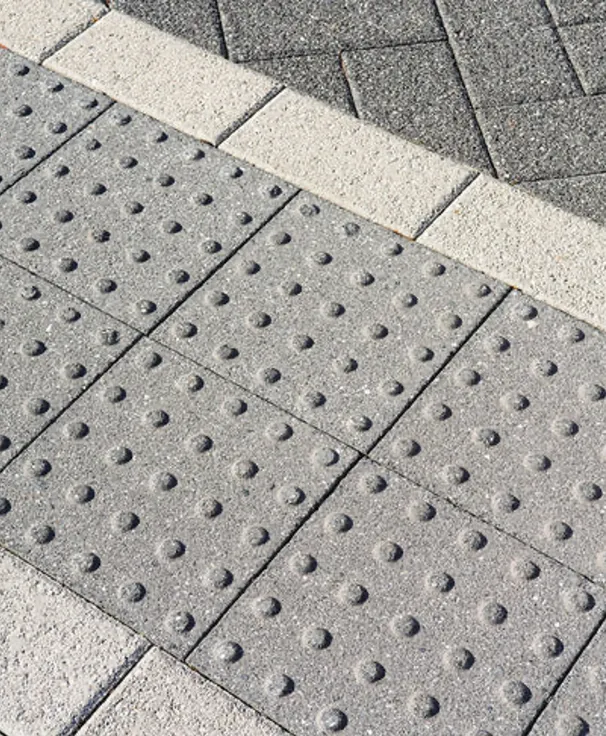
When I first tried this method, I was surprised by how easy it was. It felt less like a chore and more like a fun DIY project.
Choosing the Right Panels
When selecting panels, consider materials and colors. Most panels are made from materials that withstand weather changes. Look for brightly colored options for better visibility.
Additionally, truncated dome tiles are a popular choice because they provide excellent tactile feedback. They are easy to install and come in many styles.
Final Thoughts
The installation of ADA detectable warning panels is essential for creating safe public spaces. Whether you choose cast in place or surface applied, both methods can yield great results. With some preparation and the right tools, you’ll be able to enhance safety for everyone.
So gather your materials, put on some music, and enjoy the process. You’re not just installing panels; you’re making a difference in your community!